A free trivia game for fans of The Office
That's What Who Said?
We show you a real line from the show. You guess which character said it. That's it. That's the game.
Dunder Mifflin
Paper Company, Inc. — Scranton Branch
Interoffice Memorandum
It has come to my attention that some of you do not know every iconic line from our beloved workplace. This is both embarrassing and, frankly, a fireable offense.
Please take this quiz immediately. That is not a request.
“Would I rather be feared or loved? Easy. Both.” — M. Scott
The Daily DundieNew
5 lines, easy to brutal. Same for everyone. One shot per day.
Try One Right Now
No signup, no stakes. Just click a face.
“Identity theft is not a joke, Jim! Millions of families suffer every year!”
How It Works
Read the Line
A line from what I consider to be the world's greatest documentary appears on your screen. Take a moment. Let it wash over you.
Pick the Speaker
Four Dunder Mifflin employees stare back at you. One of them said this. Choose wisely. Dwight chose wisely and still lost.
Claim Your Dundies
Every correct answer earns one Schrute Buck. Stack enough and your name goes on the leaderboard. Ryan has been trying since 2006.
From the Archives
All seasons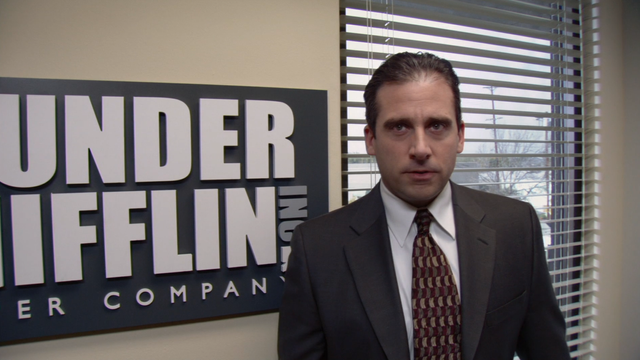
Pilot
The Dunder Mifflin employees face the arrival of a documentary crew, leading to humorous and awkward moments, with Jim's crush on Pam and Michael's attempts to impress his employees taking center stage.
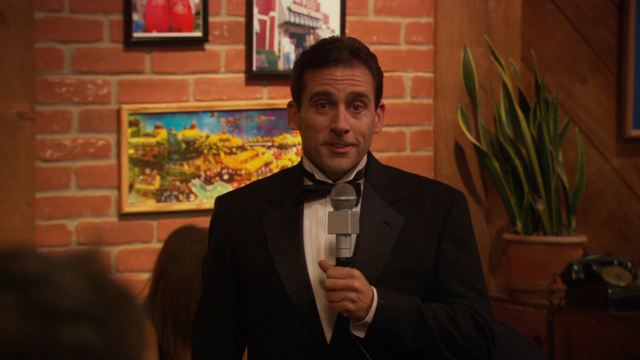
The Dundies
Michael hosts the annual Dundie Awards, causing embarrassment and hilarity among the employees, while Jim endures an uncomfortable reunion with his ex-girlfriend.
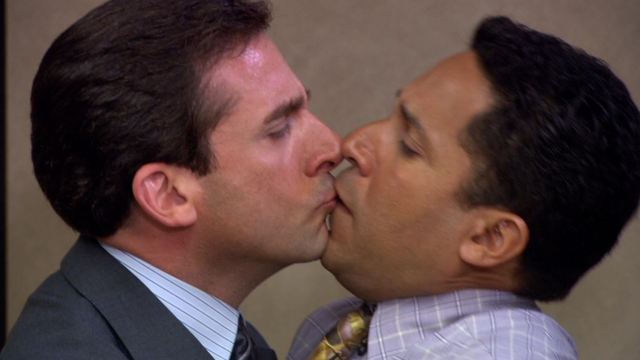
Gay Witch Hunt
The fallout from Oscar's "outing" leads to a series of awkward encounters, including Michael's misguided attempts at sensitivity and a surprising revelation about one of the employees.
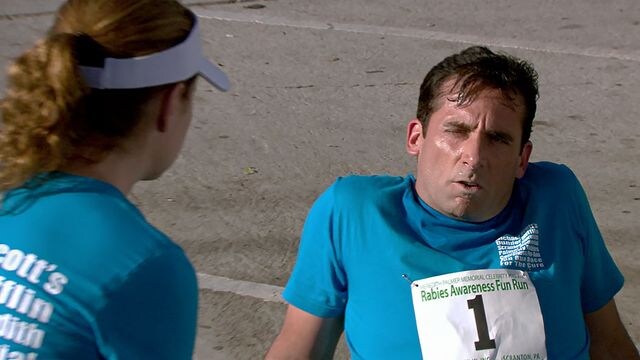
Fun Run
The office copes with the aftermath of Michael hitting Meredith with his car by participating in a charity fun run, leading to personal revelations, Andy's injury, and an unexpected intervention.
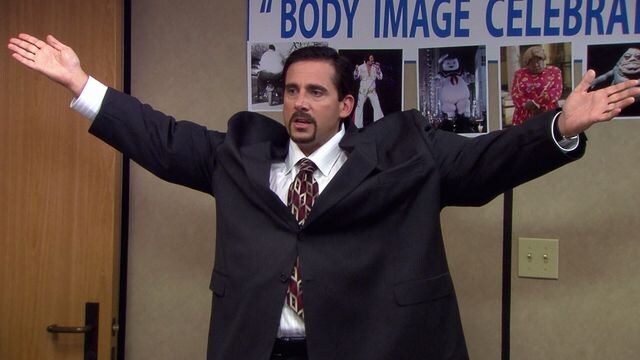
Weight Loss
The employees embark on a corporate weight loss initiative, leading to humorous challenges, Dwight's extreme methods, and Jim's determination to propose to Pam.
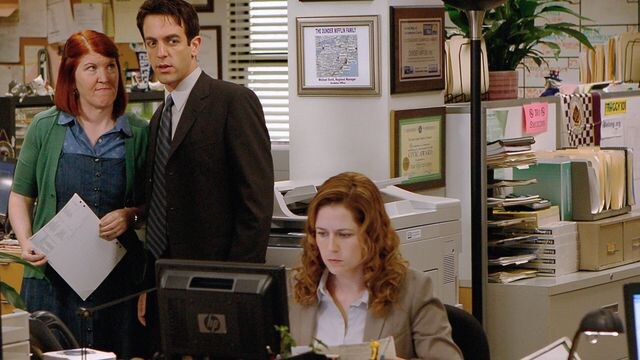
Gossip
The office becomes consumed with gossip after a leaked e-mail spreads false rumors, leading to chaos, awkward confrontations, and Michael's attempt to quell the situation.
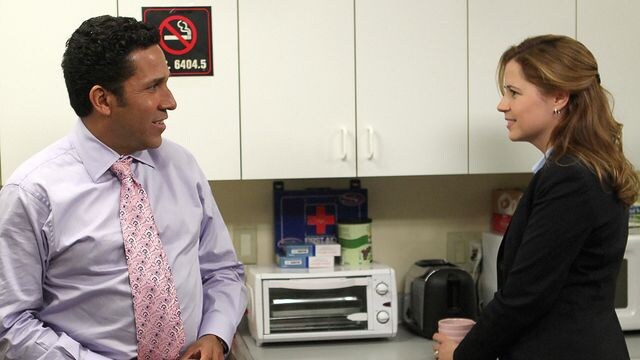
Nepotism
Michael's nephew starts working at Dunder Mifflin, leading to favoritism, Dwight's vendetta against Jim, and a surprise revelation from Pam.
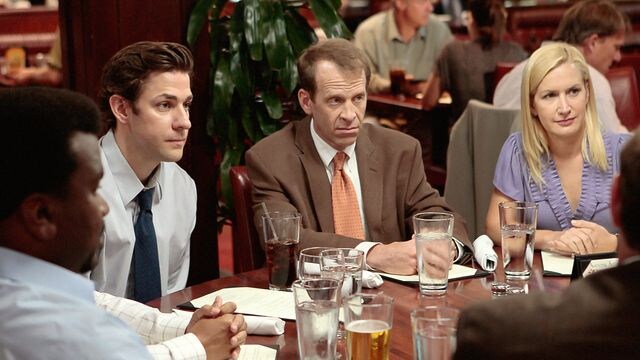
The List
The office is divided when Robert California introduces a new evaluation method, leading to power struggles, alliances, and a surprising twist in the selection process.
Frequently Asked Questions
What is That's What Who Said?
It's a free, fan-made trivia game for fans of The Office (US). You're shown a real line of dialogue and you guess which character said it.
How do you play?
Read the line of dialogue, then pick the character who said it from four options. Each correct guess earns a point (a 'Schrute Buck') and builds your streak. No account is required to play.
How many lines and episodes are in the game?
The game is built from over 57,000 real transcript lines across all 186 episodes and 9 seasons of The Office (US), covering 32 characters.
Is it free, and do I need an account?
Yes, it's completely free. You can play anonymously; creating a free account just saves your score and puts you on the global leaderboard.
Is this affiliated with The Office or NBCUniversal?
No. It's an unofficial fan project, not affiliated with NBCUniversal or the creators of The Office. Character references are used for parody and commentary.